Winter Aircraft Care: Protecting Your Plane Through the Cold Months

Winter hits Pennsylvania hard, and your aircraft feels it too. From Reading Regional to Lancaster to the Lehigh Valley, Jet has seen plenty of frosty Berks County mornings at the hangar. Cold weather creates problems you won't see until spring. Here's how to keep your plane protected.
Why Winter Is Tough on Aircraft
Cold temperatures, moisture, and freeze-thaw cycles attack your aircraft in ways summer never does.
Corrosion Accelerates
Moisture gets trapped in crevices and control surfaces. When temperatures fluctuate above and below freezing, condensation forms inside sealed areas. This trapped moisture causes corrosion from the inside out.
Jet's tip: We've found corrosion hiding in wheel wells, control surface hinges, and battery compartments. These spots need extra attention before winter storage.
Seals and Gaskets Suffer
Rubber and silicone seals become brittle in cold weather. Door seals, window gaskets, and fuel tank seals can crack or shrink, leading to leaks and drafts.
Paint Takes a Beating
Ice scrapers, snow brushes, and road salt (yes, it gets on your plane) all damage paint. One careless swipe with the wrong tool can leave scratches that cost thousands to fix.
Pre-Winter Prep Checklist
Before the first freeze, get your aircraft ready:
- Full wash to remove salt, dirt, and contaminants
- Wax or ceramic coating for paint protection
- Treat all rubber seals with aviation-approved conditioner
- Clean and lubricate all hinges and pivot points
- Cover pitot tubes and static ports
- Remove all moisture sources (wet towels, drinks, food)
- Condition leather to prevent cracking
- Check for mouse or pest entry points
- Consider moisture absorbers for long-term storage
- Change oil before storage (old oil contains acids)
- Fog cylinders if storing more than 30 days
- Top off fuel tanks to reduce condensation
During Winter: Active Care
If you're flying through winter, Jet recommends these habits:
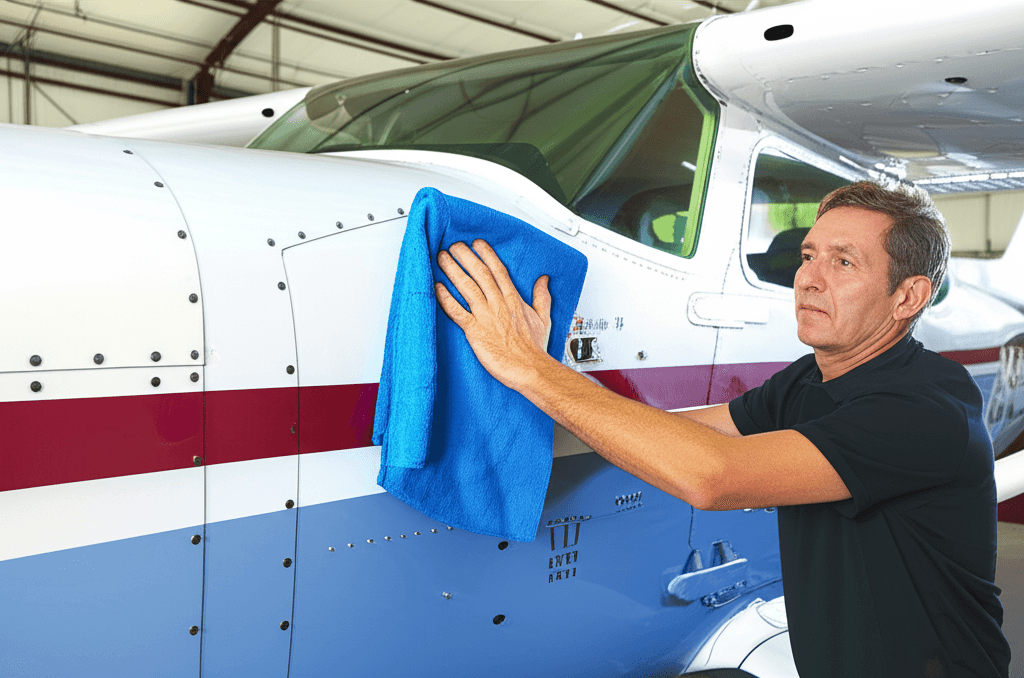
After Every Flight - Wipe down the aircraft to remove deicing fluids - Check wheel wells for ice and debris - Dry any moisture around door seals - Open cowlings briefly to release trapped moisture
Monthly Tasks - Run the engine to operating temperature - Move control surfaces through full range - Inspect for new corrosion spots - Check tire pressure (cold reduces it)
Spring Recovery
After winter storage, don't just start flying. A post-winter inspection should include:
- Full exterior wash to reveal any damage
- Detailed inspection of all seals and gaskets
- Control surface freedom and lubrication check
- Thorough interior cleaning and conditioning
- Professional corrosion inspection
Jet always says: "The best time to find winter damage is before your first spring flight, not during it."
We Make Winter Prep Easy
From Harrisburg (MDT) to Northeast Philadelphia (PNE), we offer spring inspection packages at all 15 airports we serve. Aircraft Spa provides complete winter preparation and spring recovery packages. We come to your hangar, handle everything on the checklist, and document any issues we find. Get a winter prep quote or call us to schedule before the first freeze.
Don't let winter sneak up on your aircraft. Protect it now, fly worry-free later.