The 5-Minute Pre-Flight Appearance Check Every Pilot Should Do
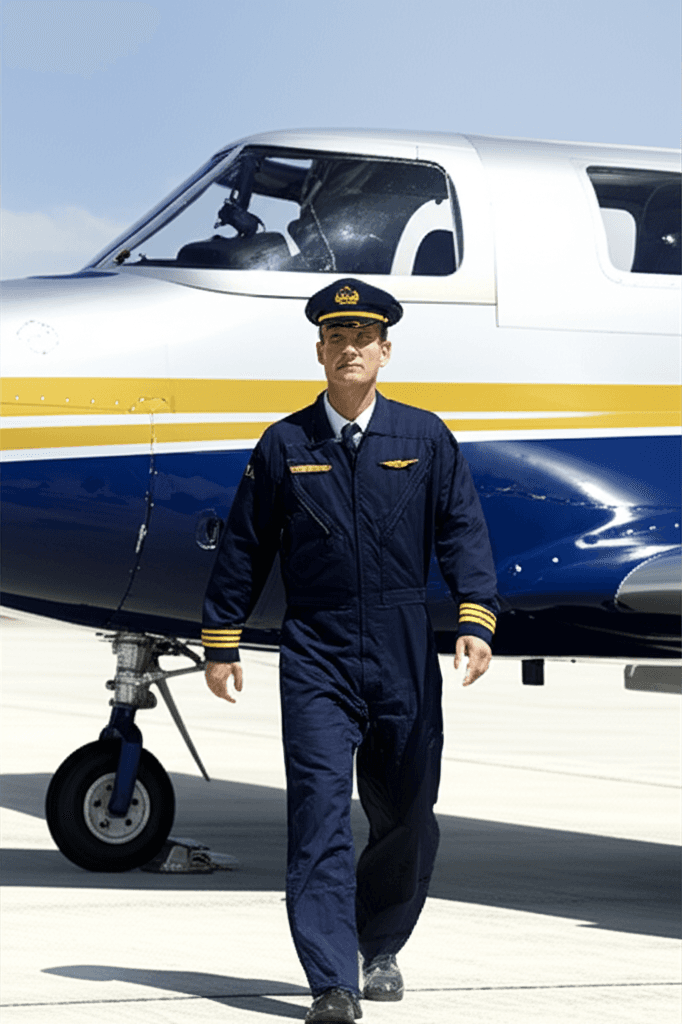
You do your pre-flight religiously. Control surfaces, fuel, oil, lights. But do you really look at your aircraft? Jet has a quick appearance checklist that takes five minutes and catches issues your standard pre-flight might miss.
Why Appearance Matters for Safety
A thorough visual inspection reveals problems before they become emergencies:
- New damage from hangar rash or weather
- Fluid leaks that show as stains or drips
- Loose components visible as gaps or misalignment
- Contamination on critical surfaces
- Wildlife intrusion (nests, debris, damage)
Catching these on the ground beats discovering them at altitude.
Jet's 5-Minute Appearance Check
Add this to your routine. It takes five minutes and could save your day.
Step 1: The Circle Walk (60 seconds)
Before you touch anything, walk a full circle around your aircraft. Look for:
- Overall symmetry (anything hanging, sagging, or misaligned?)
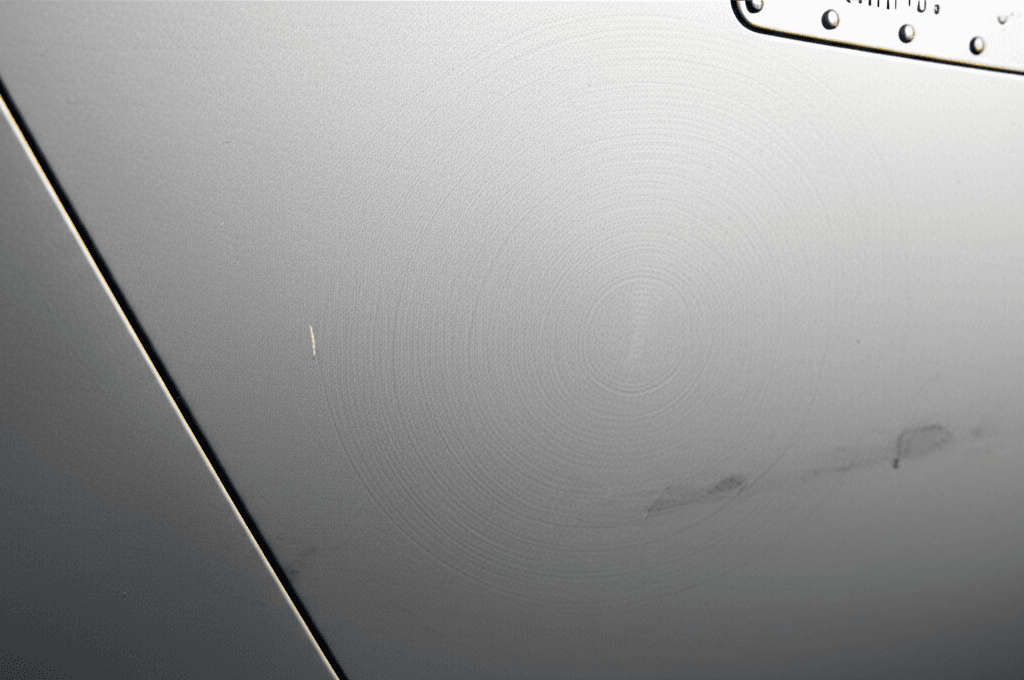
- New marks, dents, or scrapes
- Fluid trails or stains on surfaces
- Foreign objects stuck to aircraft
Don't examine details yet. Get the big picture first.
Step 2: Surface Inspection (90 seconds)
Now get closer. Run your eyes over every surface:
- Leading edge damage (bugs are fine, dents aren't)
- Control surface freedom (no binding or unusual resistance)
- Gap seals intact
- No delamination on composite surfaces
- Skin smooth and secure
- Antennas intact and tight
- Static wicks present and straight
- No staining near seams (indicates leaks)
- Same checks as wings
- Verify tail tie-down removed (seriously, check every time)
Step 3: Glass and Sensors (60 seconds)
Visibility and data matter:
- Clean enough to see through clearly
- No new cracks or crazing
- Seals intact (no gaps or lifting)
- Pitot tube clear and uncovered
- Static ports clean and open
- Stall warning vane moves freely
- OAT probe intact
Jet's pet peeve: Bugs on the windscreen. Clean them before flight. Your eyes will thank you at sunset.
Step 4: Wheels and Gear (45 seconds)
- Proper inflation (visual check for obvious low)
- No visible damage, bulges, or flat spots
- Adequate tread depth
- No fluid leaks around brake lines
- Pads visible through inspection holes (if equipped)
- Struts properly extended
- No fluid weeping from seals
- Fairings secure
Step 5: Engine Area (45 seconds)
Already part of your pre-flight, but focus on appearance:
- Oil stains (new vs. old residue)
- Exhaust staining patterns (unusual distribution indicates problems)
- Cooling air inlets clear
- Cowling fasteners secure and flush
- Prop condition (nicks, erosion, blade tracking)
Red Flags That Ground the Flight
Some findings require immediate attention:
- Fresh fluid leaks of any color
- New structural damage
- Missing or damaged antennas
- Unsecured panels or fairings
- Evidence of bird or animal intrusion
- Cracked or crazed windscreen affecting visibility
- Minor cosmetic scratches
- Insect contamination
- Light dust or dirt
- Small paint chips (address soon, but safe to fly)
Making It Automatic
Build this into your routine:
- Park at a consistent spot
- Always walk the same direction
- Use the same sequence every time
- Keep a mental checklist (or print this one)
After a few weeks, it becomes automatic. You'll spot anomalies without thinking about it.
The Clean Aircraft Advantage
Here's the thing: regular detailing makes this check easier. When your aircraft is consistently clean, new stains, marks, and damage jump out. When it's always dirty, problems hide.
Jet recommends a professional detail at least quarterly. Between details, a quick wipe-down helps you maintain that baseline. We detail aircraft at airports from Chester County (MQS) to Wilmington (ILG). Find your airport or schedule a detail.
Five minutes on the ground prevents surprises in the air. Make it part of your routine.